I’ve been lucky to work across a lot of creative industries over the years. And each one has taught me a different way to think about the audience. A few years ago, I spent some time volunteering with an amateur theater group, helping out with set design—specifically backdrop painting. I was mentored by Mrs. Willows, who gently showed me how to paint 12-foot-high scenes with a handful of ratty brushes, a spray bottle, and a limited palette.
You’d lay down bold swaths of color, splatter where needed, and add some texture with quick dabs. Then you’d walk to the back of the room, squint a little, and ask yourself: does this feel right?
Up close, it was chaos. From a distance, it worked. And that idea—that something rough can look perfect from the right perspective—has stuck with me.
There’s a well-worn phrase in creative circles: “Perfection is the enemy of done.” And I get caught in that trap more than I’d like to admit. I’ll get excited about a project, then slow down because I want to make sure it’s right. I start adding layers of process—more research, more test runs, more mock-ups—because I want to feel confident in the outcome. But what I’m really chasing is perfection.
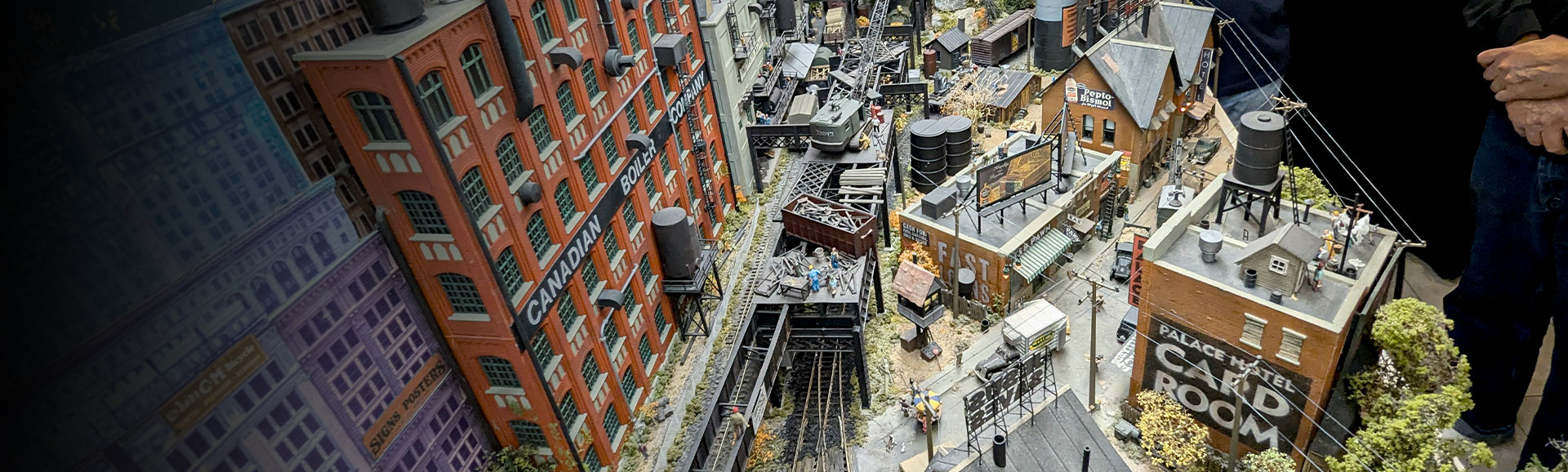
Meanwhile, some of my friends just jump in. They grab what they have, dive into the work, and get it done. And when I see their layouts, I love them. Not because they’re flawless, but because they’re finished. They tell a story. They look like places where trains live.
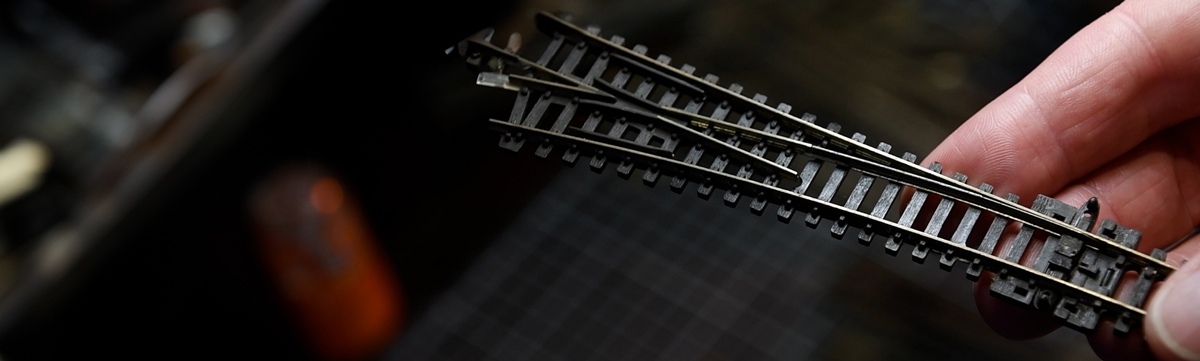
N scale tests these instincts in a particular way. I got into the scale for its scene-to-space ratio—you can do a lot in a small footprint. And I accepted the trade-off that you’d lose a bit of fidelity in the process. At normal viewing distance, things look great. But get too close, and yeah, the illusion breaks a little. That was the deal. Or at least, it used to be.
Now with high-res 3D printing, photo etching, and more advanced modeling tools, the gap between N and HO has narrowed. N scale can look amazing. And that raises the bar. I remember getting my first issue of Model Railroader with Lance Mindheim’s work featured. It blew me away. His layouts had this open, realistic feel—windswept grasses, dead space, purposeful minimalism. He showed that N scale could be immersive and atmospheric.
But for me, that standard didn’t make me feel defeated. It pushed me. It reminded me that you could always give something a second try and end up with a better version. That mindset is common in the design world—iteration, revision, testing. Lance just reminded me that it applied here too.
The challenge I face now is different. I have every tool imaginable. Design software. Laser cutters. Printers. Materials. I can make anything. And that’s the problem. The sheer volume of options becomes its own kind of paralysis. Meanwhile, I’ve got friends with a few brushes and some glue, building entire scenes that feel alive.
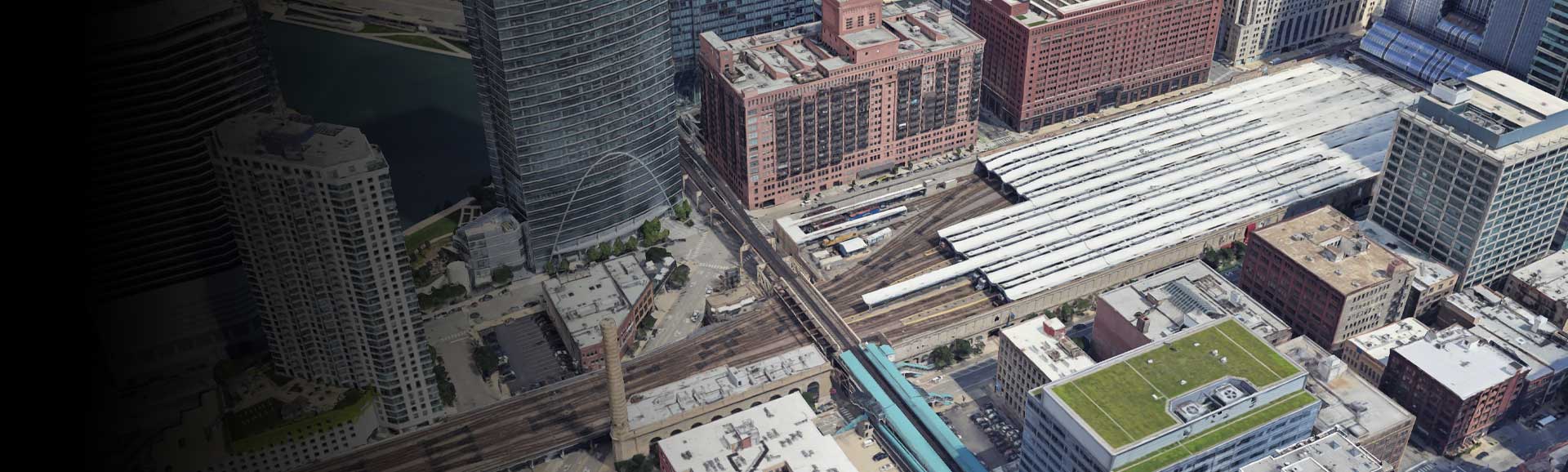
I’m learning that I love things that are finished more than I love things that are perfect. I want to see a skyline. A finished passenger platform. A believable scene that feels like you’re standing on the 20th floor looking out over the city. That’s the goal. But I’m not going to get there by obsessing over every detail.
And honestly, I think part of this perfectionism is tied up in abundance. I’m surrounded by so many choices that it’s hard to commit. And I can’t help but feel like I’m drowning in the freedom to make anything, instead of just making something.
The truth is, I want to reach a point where the big picture feels done—so I can go back and fuss with the little things. I’d love to spend time tweaking a scene, adding grime to a building, repainting a tiny sign. But that kind of fine-tuning only makes sense when the bulk of the work is in place. You have to build the scene before you can perfect the moment.
So maybe the goal now is to remember the backdrop. To walk to the other side of the room, squint a little, and ask: does it feel right?
Because that’s what the audience sees. That’s where the joy lives. That’s what done looks like…