I’ve worked in a creative field for over 25 years, and one thing I’ve seen over and over again is how hard it can be to face a blank canvas. And when I say “blank canvas,” I mean that feeling of sitting down with nothing to respond to—no constraints, no starting point, no direction. Just this wide open thing.
It’s not that you don’t have ideas. It’s that there are too many possibilities and no real problem to solve yet. That can be crushing.
But the truth is, creativity is just problem solving. Always has been.
So the very first thing you need is a problem. That’s what gets things moving.
One of the reasons model railroading works—why it can feel so satisfying—is that you’re given some constraints right away. Space. Scale. Era. Equipment. All those choices help define the edges. You start with questions like, “What fits here?” or “What railroad do I want to represent?” And the moment you start asking those questions, you’re already solving problems.
Every decision cuts down the number of things you could do. That’s a good thing. Now you have something to respond to.
As I’ve been building this new layout, I’ve noticed a familiar pattern. Early on, there’s just work to be done. Benchwork. Track plans. Laying risers. It’s not particularly creative, but it’s straightforward. You follow instructions. You measure. You cut.
Then I hit this tipping point.
It started with landforms—building up terrain, cutting in retaining walls. I didn’t have a clear vision for some of it. I was just making calls based on feel. And that’s when I started reacting to the space. Reacting to decisions I had already made.
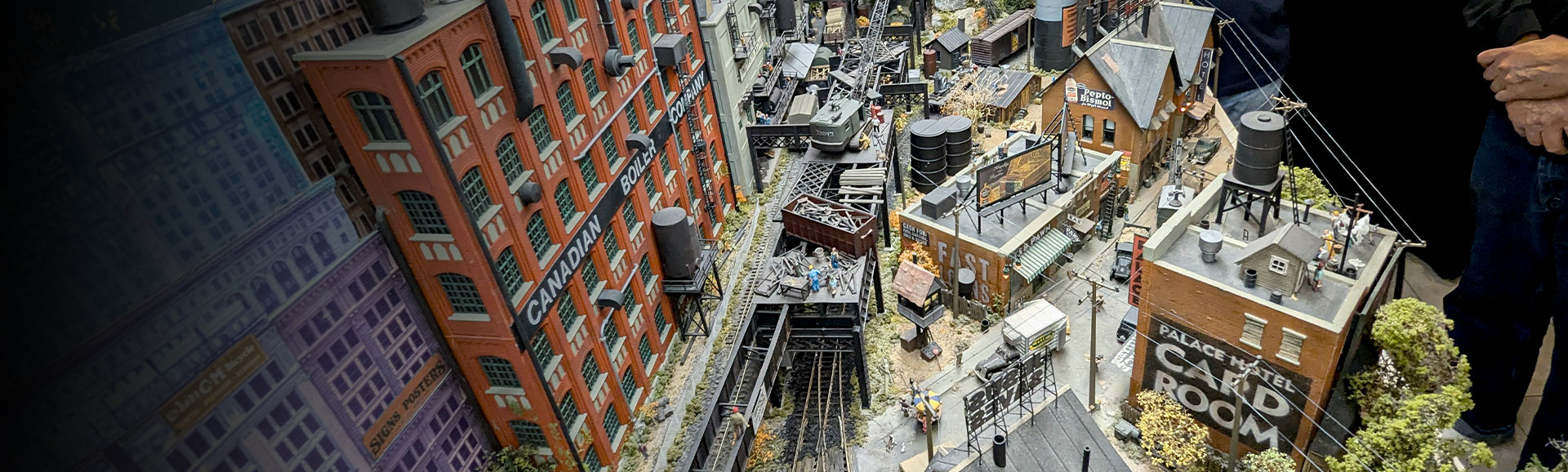
Most recently, I spent some time working on structures. And I gave myself a specific rule: build something only using leftover kit parts. I wasn’t going to buy anything new. That wasn’t just about saving money—I didn’t want to keep stockpiling things I might never use. I knew there were already hundreds of potential solutions sitting in boxes under the bench.
So I just started grabbing walls, doors, roof pieces—whatever I had—and trying combinations. I wasn’t trying to recreate anything specific. I was just trying to make something that worked. And I ended up with a few structures I’m actually really happy with.
It was a self-imposed constraint, but it made the work better.
I’m used to working that way in my job. Budget, time, scope—those are normal limitations. And when I come up with a solution inside those limits, I can look at it and say, “Yeah, that’s a smart solution. I’m proud of that.” Because I know it didn’t come easy. It came from working the problem.
Here’s what happens: you move from working in uncertainty to working in context. At the start, the problems are vague and wide open. Where does the parking lot go? Do I need lighting here? What do I do with this weird slope?
You can feel paralyzed by how many things could go wrong.
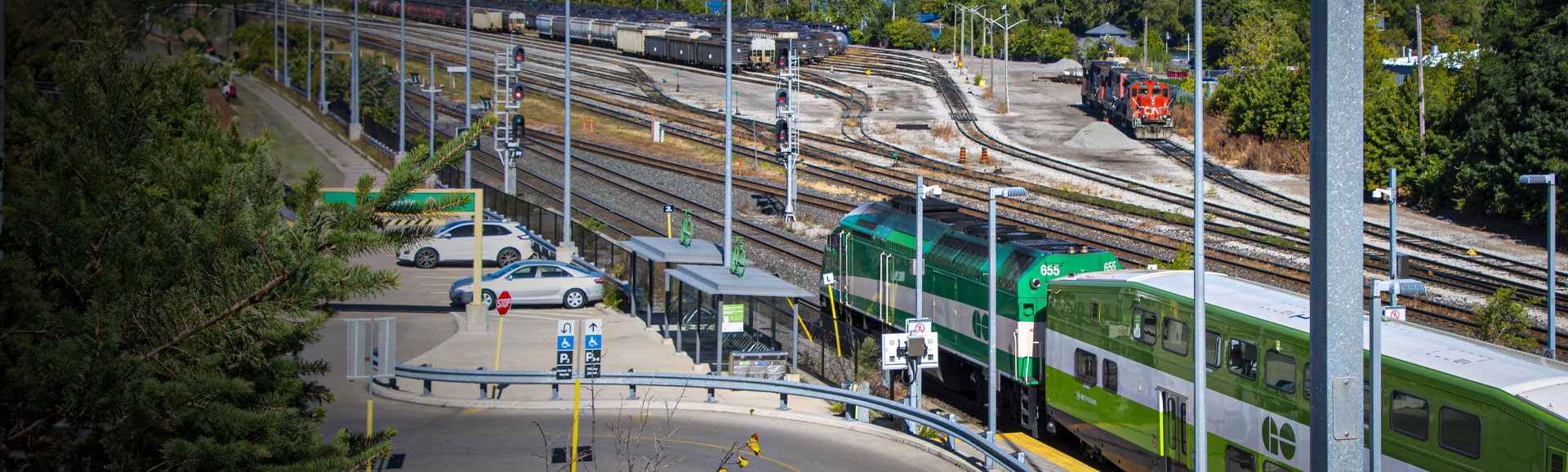
But eventually, things settle. You add a platform. Suddenly a fence makes sense. Add a station—now you need stairs or a ramp. Then a path. Then signage. Maybe some shrubs. You’re no longer making wild guesses. You’re reacting to what’s already there.
You go from “I don’t know what this is” to “Oh, this clearly needs that.”
That’s when it gets good.
This, I think, is why some modelers never get past the plywood stage. They’ve built the benchwork. Maybe they’ve laid track. But they stall out, because the leap from raw space to fully imagined scenery is too overwhelming.
There’s no foothold yet. Just possibilities.
But if you keep moving—keep asking small questions and solving small problems—eventually you tip into a space where the answers come faster. You’re not building from nothing anymore. You’re just responding. Iterating. Enjoying it.
You don’t need to start with the whole vision figured out. That’s not how it works. The early phase is work. But once you’ve got some decisions behind you, the creative part kicks in. You’ll move faster. You’ll have more fun. You’ll trust your instincts more, because you’re not guessing—you’re reacting.
So give yourself a few constraints. Make a rule or two. Do the work.
Eventually, it all starts to talk back to you – creatively.